Middle East War: Oil Prices Rise Amid Hormuz Tensions
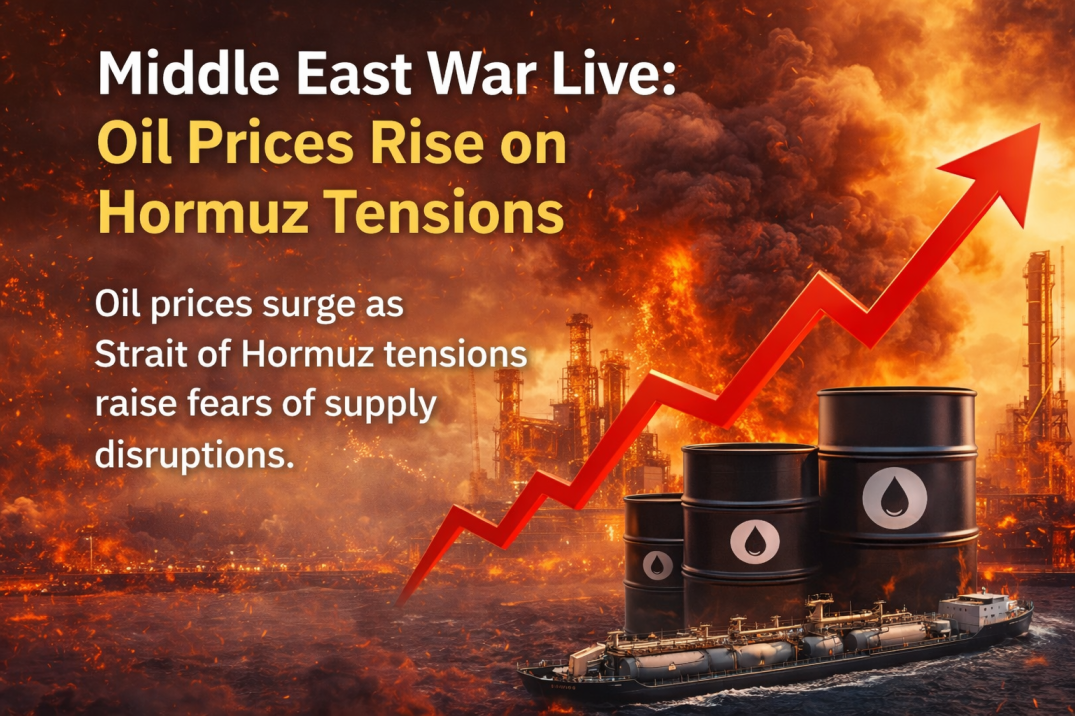
Middle East War Live: Oil Prices Rise as Tensions Around the Strait of Hormuz Persist
Global energy markets feel jittery these days, and it’s not hard to see why. Tensions in the Middle East keep ratcheting up, and oil prices just took another leap. People are worried about the Strait of Hormuz—a narrow waterway, but a huge deal for the oil world. So much of the world’s crude passes through it that even small sparks of instability cause big headaches for everyone involved.
Investors aren’t just spooked—they’re reacting fast.
With every fresh flare-up in the region, crude prices jump. It’s understandable.
If conflict drags on or turns into something bigger, those oil shipments through the Strait could get stuck or slowed down.
Why does this matter so much?
The Strait of Hormuz really is a critical pinch point; almost 20% of the world’s petroleum flows through there each day. Any trouble in the area can jam up supply lines and send oil prices soaring.
Energy analysts agree: even rumors or fears about trouble in Hormuz can shake the markets, sometimes more than real events do.
The reason’s pretty simple.
That strip of water links heavy–hitting oil producers—Saudi Arabia, the UAE, Kuwait, Iraq—to everyone else. It’s the main export path for their crude. If things get hotter, shipping companies might pay more for insurance, take longer routes, or face new rules. All that just clogs up the global oil system.
Market experts warn that if this instability drags on, energy prices won’t cool off soon. That spells trouble for economies around the world.
And it’s not just oil that’s affected.
When crude gets expensive, fuel and transport costs go up. That trickles down to drive inflation higher. Businesses face bigger bills to make and move goods. Stock markets feel the pressure. Economic growth takes a hit.
Some countries—India, for example—import a lot of oil, so they’re really sensitive to price hikes. Long stretches of high prices feed into local fuel costs and push inflation even higher.
Right now
Investors are glued to updates from the region, watching for any sign that things could spiral or spill over into neighboring countries and put oil routes—or infrastructure—at risk. Both traders and government officials are staying cautious because they know even a hint of more trouble can send prices climbing fast.
All in all
👉 Stay connected with our website for the latest updates on global markets, geopolitics, and energy prices.