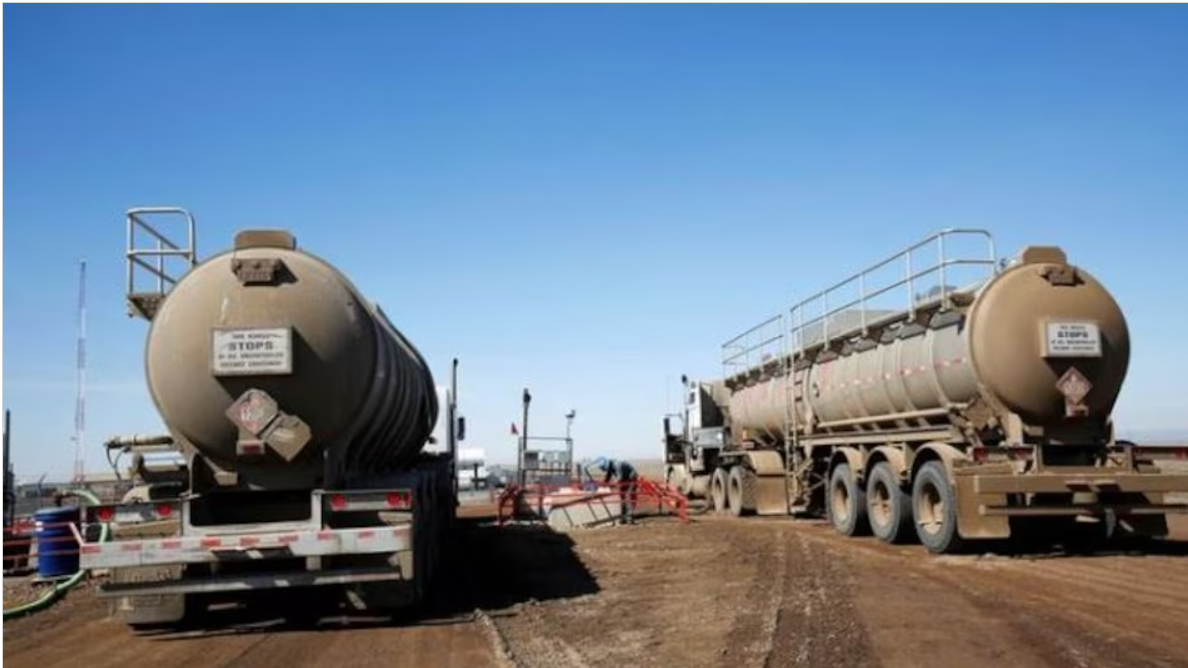
Industrial diesel up ₹21.92/litre: Uses, impact, and price rise ahead
Industrial diesel becomes ₹21.92 per litre costlier: Where is it used, and what all items are likely to become expensive?
The recent hike in Industrial diesel prices by ₹21.92 per litre has raised concerns across multiple sectors. This sharp increase is expected to impact production costs, transportation, and ultimately, consumer prices. Businesses that heavily depend on Industrial diesel are already preparing for a ripple effect that could make several goods and services more expensive.
What is Industrial diesel and where is it used?
Industrial diesel is widely used in industries that require heavy machinery and uninterrupted power supply. Unlike regular fuel, it powers generators, construction equipment, and large-scale operations.
Here are the key sectors where Industrial diesel plays a crucial role:
- Manufacturing units: Factories rely on diesel generators during power cuts.
- Construction industry: Excavators, cranes, and heavy equipment run on diesel.
- Mining sector: Extraction and transportation activities depend heavily on diesel.
- Logistics and transportation: Trucks and goods carriers use diesel for long-distance supply chains.
- Agriculture: Diesel pumps and tractors support farming activities.
Why has Industrial diesel become expensive?
The price hike in Industrial diesel can be attributed to multiple factors such as rising crude oil prices, increased demand, and changes in taxation or supply chain costs. Global market fluctuations also play a significant role in determining domestic fuel prices.
What will become expensive due to Industrial diesel price hike?
As Industrial diesel becomes costlier, industries are likely to pass on the increased costs to consumers. Here’s what may get expensive:
1. Construction materials
Cement, steel, and bricks may become costlier as construction activities rely heavily on diesel-powered machinery.
2. Transportation and logistics
Freight charges may increase, which will directly affect the prices of essential goods.
3. Agricultural produce
Higher diesel costs can raise farming expenses, leading to increased prices of vegetables, grains, and fruits.
4. Electricity costs
Industries using diesel generators may increase product pricing to compensate for higher operational costs.
5. Consumer goods
From FMCG products to electronics, manufacturing and distribution costs may rise due to expensive diesel.
Impact on businesses and consumers
Businesses are likely to face tighter margins as fuel costs rise. Small and medium enterprises may struggle the most, while consumers may feel the burden through higher prices of everyday items.
However, this situation may also push industries to explore alternative energy sources and improve efficiency.
Conclusion
The surge in diesel prices is not just a fuel issue—it’s an economic concern that affects multiple sectors. From construction to groceries, the impact will likely be widespread. Staying informed and adapting to these changes will be crucial for both businesses and consumers.
👉 Want to stay updated with the latest business, tax, and economic news? Follow us for real-time updates and expert insights!